CBSE’s New Oil Board Initiative: A healthy step forward for schools

January 23, 2026

7:26 AM
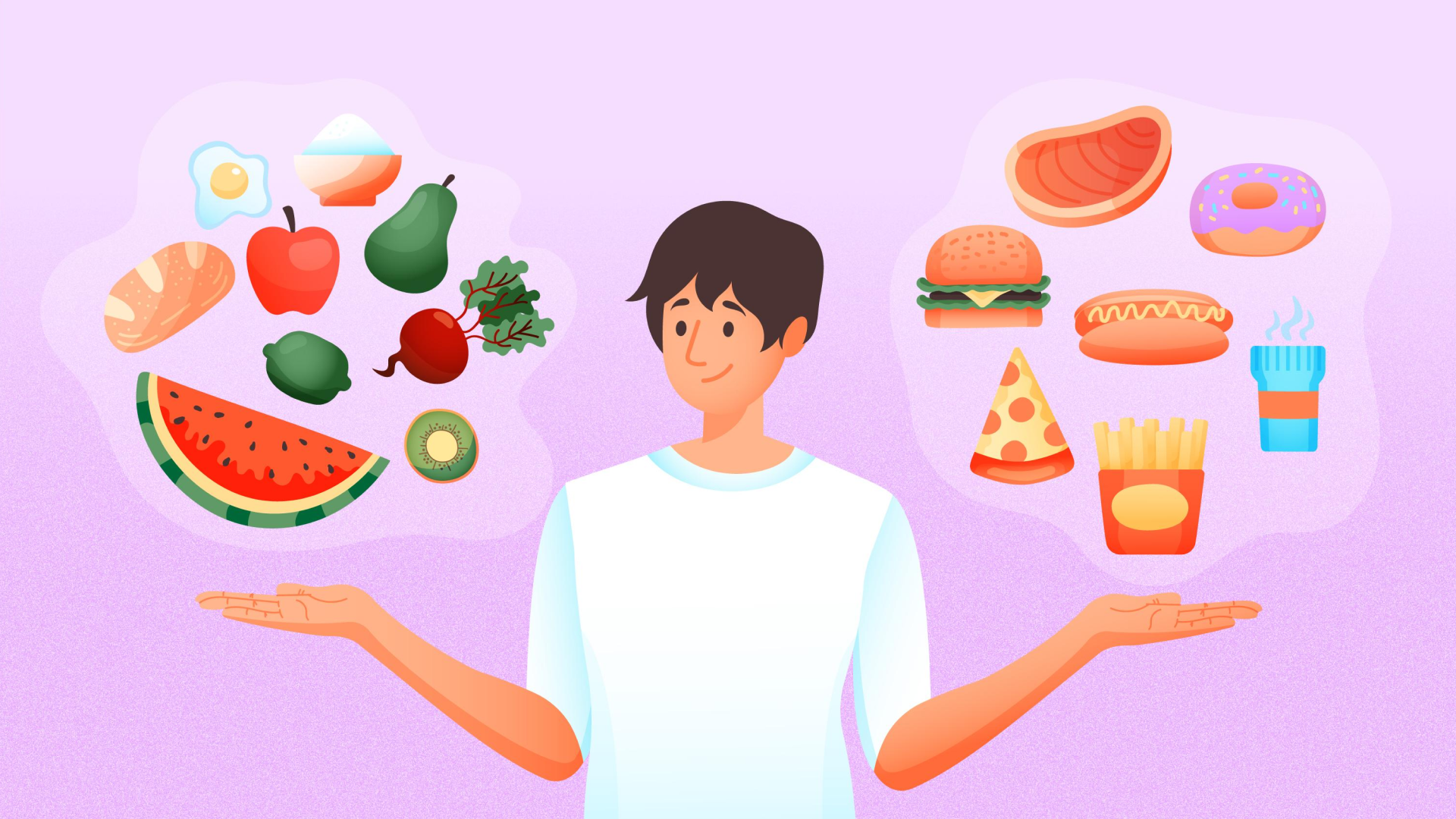
In response to rising concerns about childhood obesity and unhealthy eating habits, the Central Board of Secondary Education (CBSE) has introduced a new health initiative for all its affiliated schools. Building on the earlier sugar awareness campaign, this initiative focuses on the impact of dietary fats and oils in everyday foods commonly consumed by students.
The goal is simple but powerful. Teach students how to make healthier choices that support both physical well-being and academic focus. With lifestyle diseases on the rise, awareness about food content is now becoming a part of school culture — not just a health class topic.
What Are ‘Oil Boards’?
CBSE’s Oil Boards are visual displays required to be placed in key areas of school campuses. These can be printed posters or digital screens that show the oil or fat content of popular snacks and fast foods. By presenting information visually, students can easily see how much oil goes into foods like fried snacks, chips, and packaged items – making them think before they eat.
Why This Matters
Recent health surveys show that many children consume diets high in fats and oils, with long-term effects on health, energy levels, and even academic performance. Schools now have an important role to play in helping students understand the connection between nutrition and lifelong wellness.
As part of this effort, top schools like Auden School, recognised among the best CBSE schools in Bangalore, are adopting these guidelines to support student health and well-being.
Where You’ll See the Oil Boards
To make these health messages visible, CBSE recommends placing Oil Boards in:
- Cafeterias – where food choices are made
- Hallways and common areas – where students pass daily
- Staff rooms and meeting spaces – for shared awareness
Being visible throughout the school day ensures students are reminded of healthy habits frequently.
Encouraging Healthy Choices Every Day
Health awareness is not just about food labels. CBSE also wants schools to:
- Offer healthier meal options (fresh fruits, salads)
- Reduce availability of sugary drinks and deep-fried snacks
- Encourage physical activity like using stairs, short movement breaks, and active play
These steps help children develop balanced habits that support both physical and mental health.
PM Modi’s Appeal for Reduced Oil Consumption
The importance of healthy eating has also been strongly emphasized at the national level. In March, Prime Minister Narendra Modi addressed the nation about the growing threat of obesity and lifestyle-related diseases. He urged citizens to reduce their cooking oil consumption by at least 10%, highlighting how small daily changes can lead to long-term health benefits.
He cautioned that if current habits continue, over 440 million Indians could be obese by 2050, meaning nearly one in every three people may face serious health challenges linked to obesity. Calling it a “silent epidemic,” the Prime Minister encouraged families to become more mindful of their food choices and adopt healthier lifestyles early.
Student Involvement
A key part of the initiative is involving students directly. Schools are advised to make Oil Board awareness part of:
- Classroom discussions
- Nutrition projects
- Poster competitions
- Creative assignments
- This makes learning interactive and empowers students to become advocates for their own health.
Summary
For today’s students facing academic stress, screen overload, and evolving food habits, CBSE’s initiative highlights that making healthy lifestyle choices is just as essential as mastering academic concepts.